Category Page: Surgical Dermatology

Surgical Dermatology for Skin Cancer, Lesions, and Growths

Remove concerns. Confirm diagnosis. Support healing.

Surgical dermatology focuses on procedures used to evaluate, remove, repair, or treat areas of concern on the skin. This may include a suspicious mole, confirmed skin cancer, cyst, wart, benign growth, scar, or lesion that has changed, become painful, or requires further testing.

VitalSkin Dermatology and supported clinics provide surgical dermatology care for patients who need precise evaluation and procedure-based treatment. Depending on the concern, your provider may recommend a biopsy, excision, Mohs surgery, cryotherapy, scar revision, or another in-office procedure.
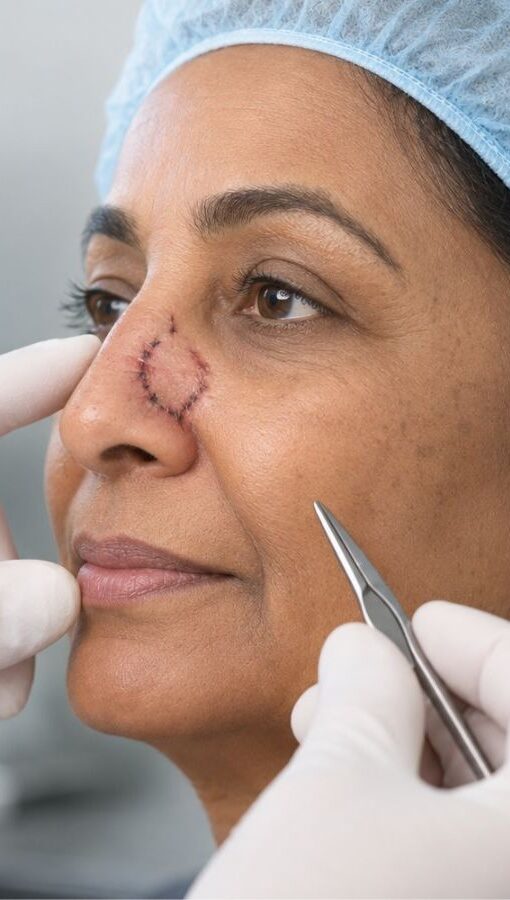
Surgical Dermatology Treatments & Procedures

Surgical dermatology may be recommended when a skin concern needs to be removed, tested, repaired, or treated with a procedure rather than medication alone. The right approach depends on whether the lesion is cancerous, precancerous, benign, symptomatic, changing, or located in an area where preserving healthy tissue is especially important.

  • Mohs Surgery & Skin Cancer Procedures
    Mohs surgery is a precise, tissue-sparing procedure often used for certain basal cell carcinomas, squamous cell carcinomas, and skin cancers in sensitive or highly visible areas. This approach removes cancerous tissue layer by layer while helping preserve as much healthy skin as possible.
  • Surgical Excision & Lesion Removal
    Excision removes a lesion along with a small margin of surrounding tissue. It may be used for suspicious growths, confirmed skin cancers, cysts, lipomas, atypical moles, or other lesions that require complete removal or laboratory evaluation.
  • Skin Biopsy & Diagnostic Procedures
    A skin biopsy removes a small sample of tissue so it can be examined by a lab. Dermatologists may recommend a biopsy when a mole, rash, growth, or lesion has features that need closer evaluation before treatment decisions are made.
  • Cryotherapy & Destructive Procedures
    Cryotherapy uses liquid nitrogen to freeze and destroy targeted abnormal tissue. It may be used for certain precancerous spots, warts, seborrheic keratoses, or other superficial lesions when appropriate based on diagnosis and location.
  • Scar Revision & Post-Procedure Repair
    Scar revision and scar-focused procedures may help improve the appearance, texture, or comfort of scars after surgery, injury, acne, or prior skin treatment. Recommendations depend on the type of scar, location, skin healing history, and treatment goals.

Skin Concerns That May Need Surgical Evaluation

Not every mole, growth, cyst, or spot needs a procedure. Surgical dermatology helps determine when removal, biopsy, pathology testing, or repair is the most appropriate next step. A provider may consider how the area looks, how it has changed, whether it causes symptoms, and whether there is concern for skin cancer or another condition.
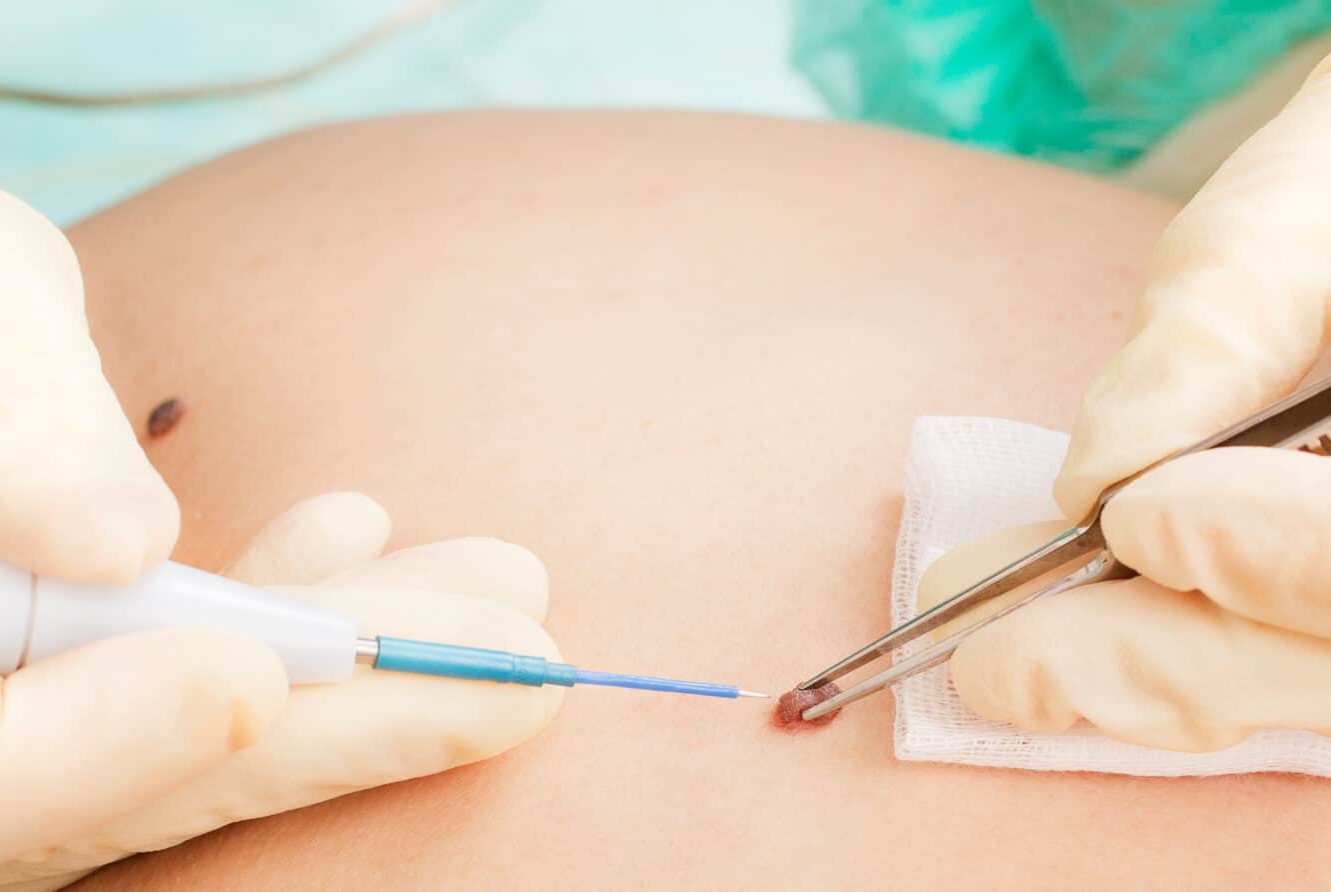
Skin Cancer & Precancerous Conditions

Skin cancers, precancerous spots, and suspicious lesions may require biopsy, Mohs surgery, excision, cryotherapy, or another procedure-based treatment. The right approach depends on the diagnosis, location, size, and need to preserve healthy surrounding tissue.

Warts, Growths & Benign Lesions

Warts, cysts, skin tags, seborrheic keratoses, lipomas, and other growths may be removed when they are painful, irritated, changing, bleeding, recurrent, or difficult to distinguish from more serious lesions.

Acne, Scarring & Skin Texture

Some scars and textural concerns may need more than topical care. Surgical or procedure-based options may be considered for certain acne scars, raised scars, depressed scars, or scars that affect comfort, movement, or appearance.

Chronic Skin Conditions & Rashes

Most chronic rashes are managed medically, but a biopsy or procedure may be needed when the diagnosis is unclear or when conditions such as hidradenitis suppurativa cause painful, recurring lesions. Evaluation helps determine whether testing, procedural care, or ongoing medical management is appropriate.

Pigmentation, Redness & Vascular Concerns

Many pigmentation and vascular concerns are treated without surgery, but changing, raised, bleeding, or unclear spots may need diagnostic evaluation before treatment. A dermatologist can determine whether monitoring, biopsy, laser-based care, or another approach is appropriate.

Moles and Changing Spots

Most moles do not need removal, but moles that change in size, shape, color, border, or symptoms may need closer evaluation. A dermatologist can determine whether monitoring, biopsy, or excision is the right next step.

Surgical Dermatology Locations

Surgical dermatology care may involve biopsy, removal, tissue testing, wound repair, and follow-up visits after a procedure. VitalSkin Dermatology and supported clinic locations provide access to providers who evaluate suspicious spots, confirmed skin cancers, cysts, moles, warts, benign growths, scars, and other lesions that may need procedure-based care.

Available procedures can differ by office and provider. Depending on the location, services may include Mohs surgery, excision, skin biopsy, cryotherapy, mole removal, lesion removal, cyst removal, scar revision, and post-treatment monitoring. Patients can review individual locations to find the appropriate office for evaluation, treatment, and follow-up care.

Frequently Asked Questions About Surgical Dermatology

What is surgical dermatology?

Surgical dermatology focuses on procedures used to diagnose, remove, repair, or treat skin concerns. This may include skin biopsy, excision, Mohs surgery, cryotherapy, mole removal, cyst removal, lesion removal, or scar revision.

When is a skin biopsy recommended?

A biopsy may be recommended when a mole, rash, growth, or lesion has features that need closer evaluation. The tissue sample is sent to a lab to help confirm the diagnosis and guide next steps.

What is the difference between excision and Mohs surgery?

Excision removes a lesion with a margin of surrounding tissue, while Mohs surgery removes skin cancer layer by layer and examines tissue during the procedure. Mohs may be recommended when tissue preservation or margin control is especially important.

Will a removed lesion be sent to a lab?

Many removed lesions are sent for pathology review, especially when skin cancer, atypical cells, or an uncertain diagnosis is a concern. Your provider will explain whether lab testing is needed based on the procedure.

Does surgical dermatology leave a scar?

Any procedure that removes or repairs skin can leave a scar. Dermatology providers use techniques designed to support healing, minimize unnecessary tissue removal, and place closures carefully when stitches are needed.

Do all moles, cysts, or growths need removal?

No. Some can be monitored if they are stable and not concerning. Removal may be recommended when a growth is changing, symptomatic, irritated, suspicious, recurrent, or requires pathology testing.
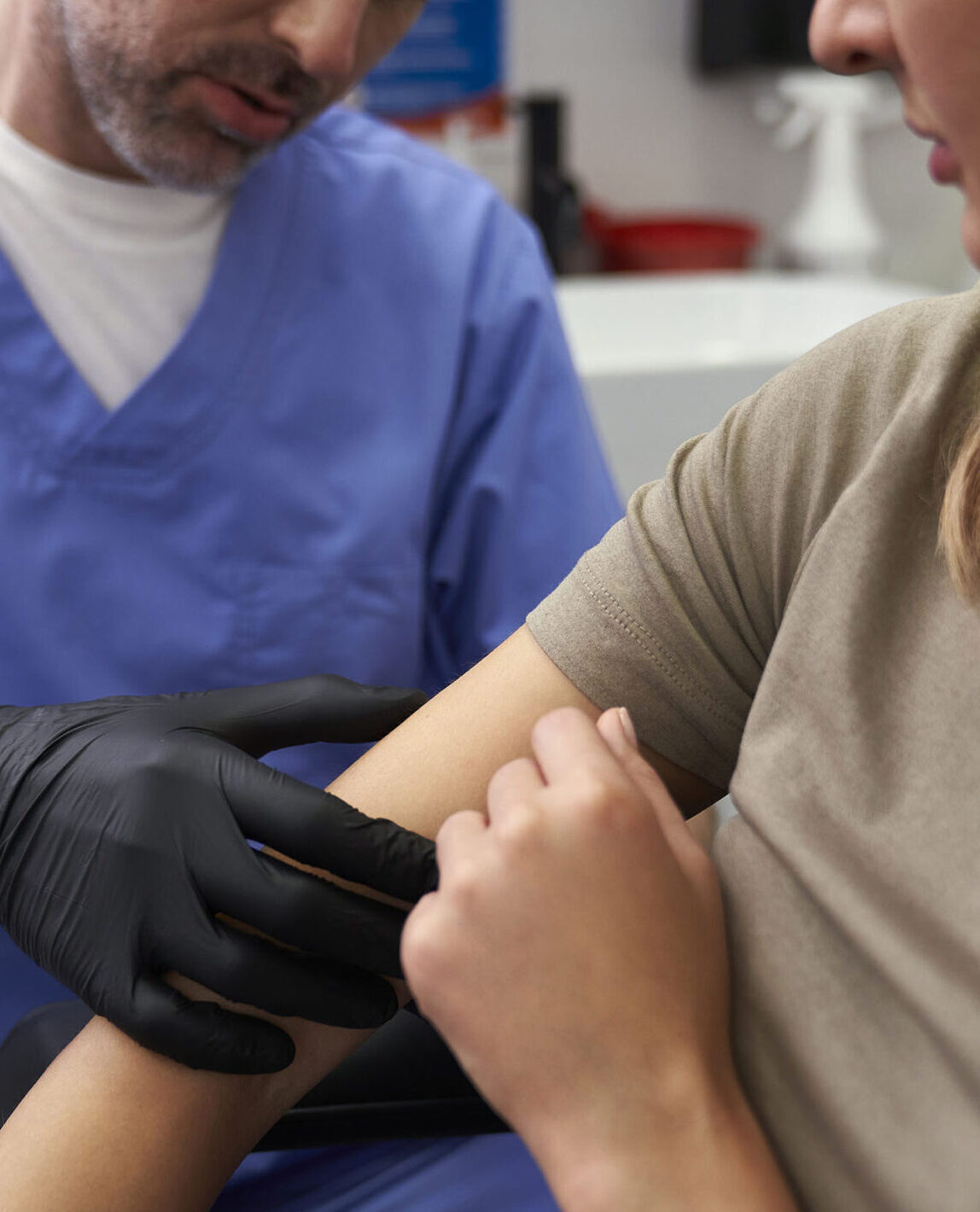
Doctor checking mark on woman's arm

Get Expert Surgical Care for Skin Concerns

Whether you need a skin biopsy, mole evaluation, excision, Mohs surgery, cyst removal, scar revision, or treatment for a suspicious lesion, surgical dermatology can help provide a clear path forward. VitalSkin Dermatology providers work with patients to evaluate the concern, recommend the appropriate procedure, support healing, and guide follow-up care when needed.

Other Treatments

Online Scheduling

Schedule your appointment, today!

Make an Appointment
Make an Appointment