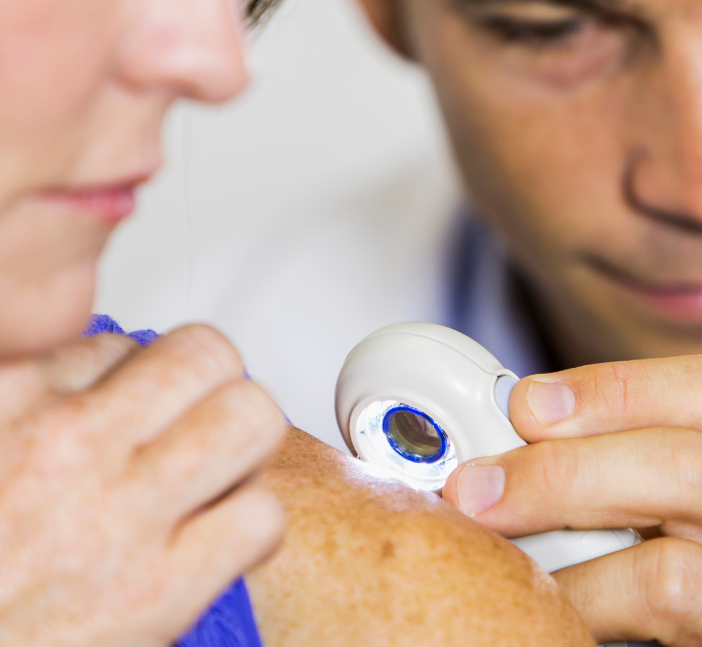
Precise removal. Tissue preservation. Specialist-led care.
When Mohs surgery is recommended, having the right surgical expertise matters. At VitalSkin Dermatology and our network of offices, Mohs surgeons perform this staged procedure with real-time margin evaluation to confirm complete removal while preserving as much healthy skin as possible.
Mohs surgery is commonly used for skin cancers in areas like the face, nose, ears, scalp, and hands, where both function and appearance are closely tied to the treatment approach. The procedure is performed on an outpatient basis, allowing most patients to return home the same day.
Care is available across our Illinois, Kentucky, and Indiana locations, making it easier to access specialized treatment close to home.
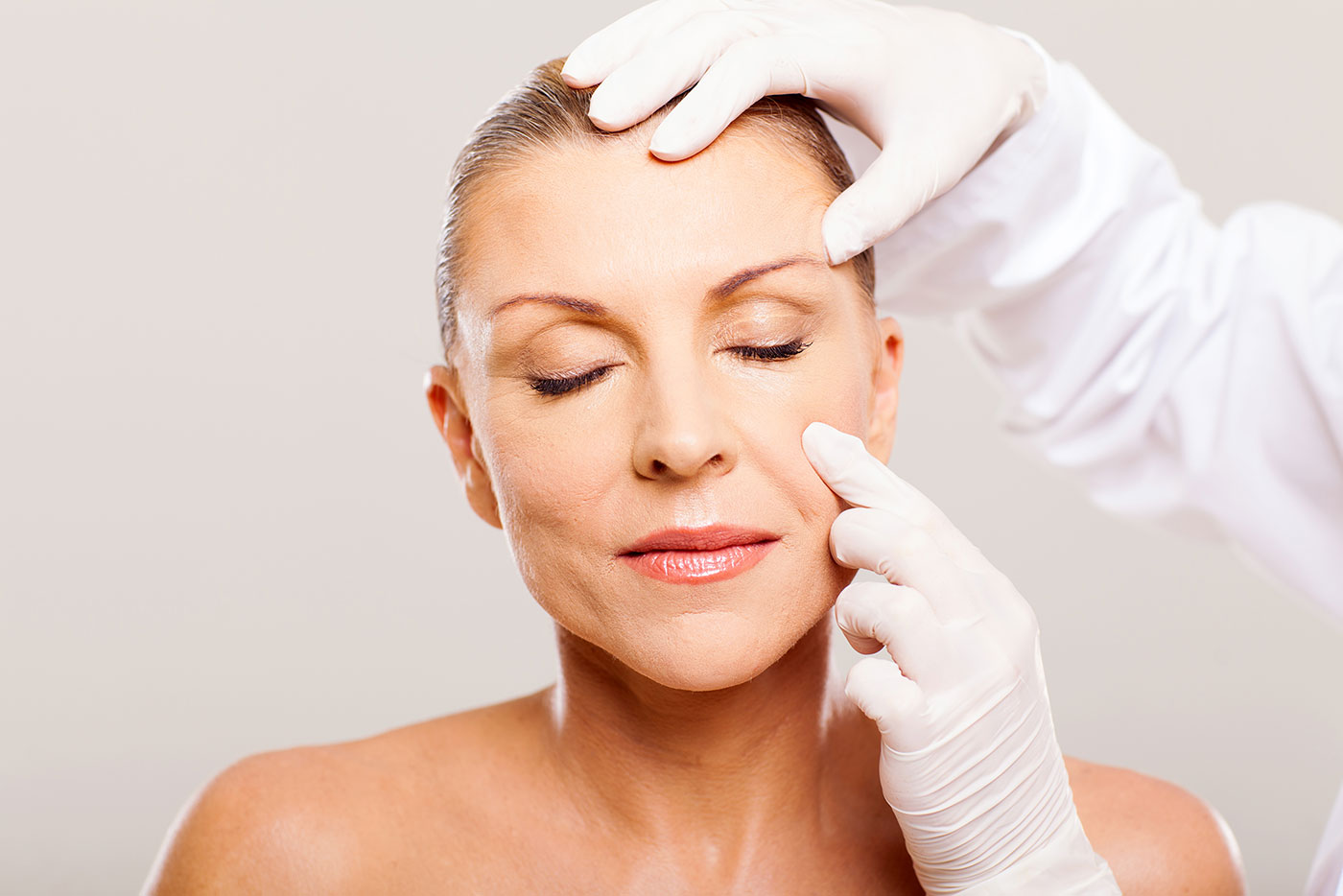
Mohs surgery, also called Mohs micrographic surgery, is a precise technique for removing skin cancer one thin layer at a time. After each layer is removed, a specially trained surgeon examines it under a microscope to check for remaining cancer cells before proceeding.
This layer-by-layer approach allows the surgeon to stop exactly where the cancer ends, sparing as much healthy surrounding skin as possible. That level of precision makes the Mohs procedure particularly valuable for cancers in visible or delicate areas like the face, nose, ears, lips, and scalp.
Mohs surgery for skin cancer is most commonly used to treat basal cell carcinoma and squamous cell carcinoma. It is often recommended when a cancer is located in a cosmetically sensitive area, has irregular borders, has recurred after previous treatment, or requires the highest possible cure rate.
We perform Mohs surgery by surgeons across multiple clinic locations, giving patients access to specialized, high-precision skin cancer care close to home.
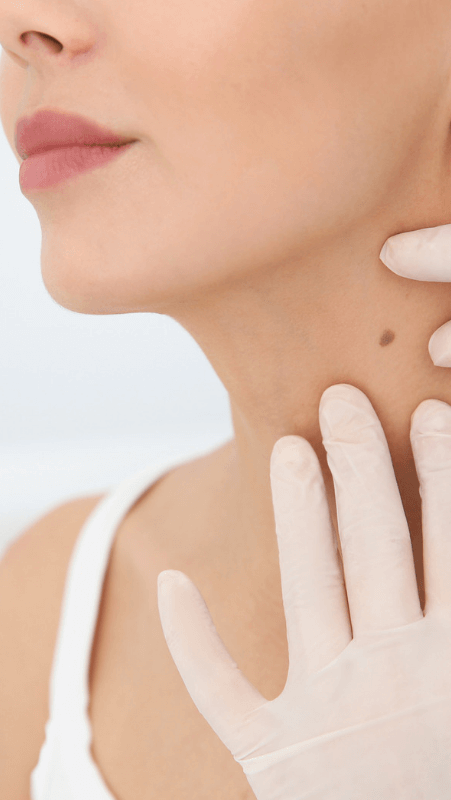
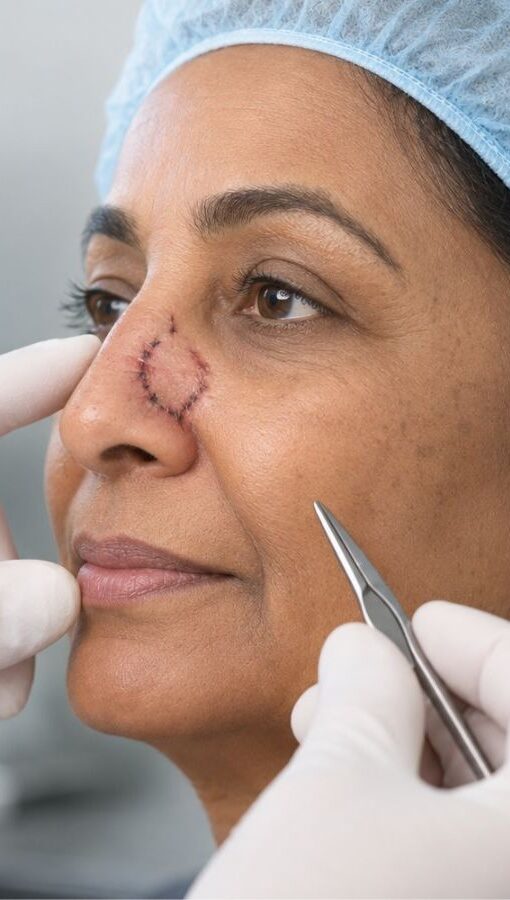
Mohs micrographic surgery is a staged procedure used to remove skin cancer with precision while preserving as much healthy tissue as possible. Each step includes immediate tissue evaluation, allowing surgeons such as Dr. Christopher Buckley in the Louisville area and Dr. Jeremy Youse, Dr. Scott Zahner, & Dr. Melanie Zahner in Illinois to confirm that all cancer cells have been fully removed.
The procedure begins with a local anesthetic to numb the treatment area. Once numb, the surgeon removes a thin layer of tissue from the visible cancer site. That tissue is mapped and processed in an on-site lab, where the surgeon examines the entire margin under a microscope. This full-margin review is what distinguishes Mohs surgery from standard excision techniques.
If cancer cells are identified at the edges, the surgeon removes an additional layer only from the specific area where they remain. This process repeats in stages until the margins are clear. Because removal is limited to affected areas, this approach is often used for cancers on the face, nose, ears, scalp, and other locations where tissue preservation is important.
Most procedures are completed in a single visit, though the number of stages depends on how far the cancer extends beneath the surface. Each stage requires time for lab processing and review, so that appointments may last several hours.
Once clear margins are confirmed, the wound is closed based on its size and location. This may involve stitches, a skin flap, or coordination with a specialist for reconstruction when needed.
Recovery after Mohs surgery follows a structured process guided by your care team. Each stage of healing is influenced by the size, location, and type of repair, with clear instructions provided to support consistent healing and expected outcomes over time.
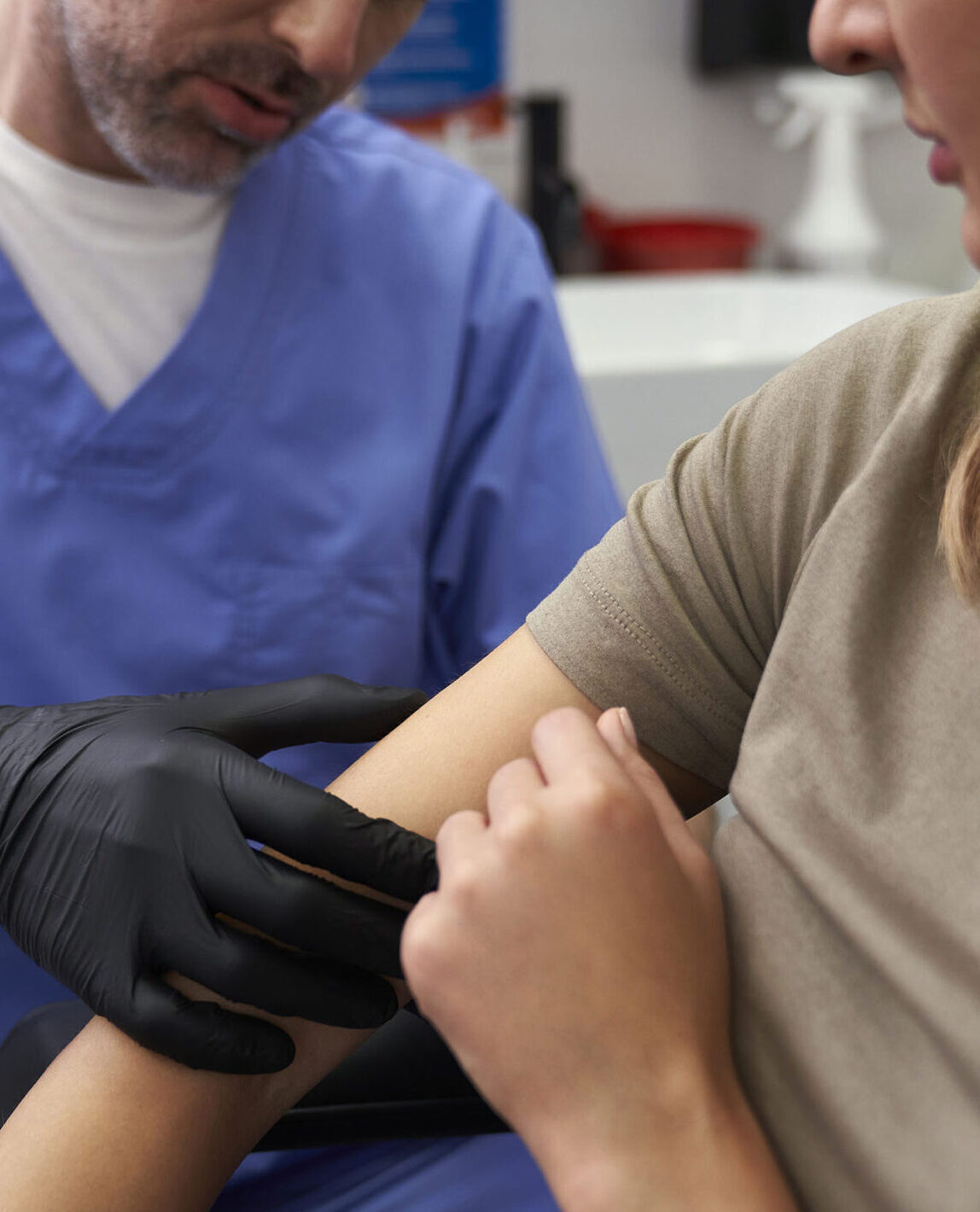
Mohs surgery is typically used for certain types of skin cancer where precise removal and tissue preservation are important. Your dermatologist evaluates the location, behavior, and history of the cancer to determine if this approach is appropriate. Mohs surgery may be recommended if the skin cancer is:
In some cases, smaller or lower-risk cancers in less sensitive areas may be treated with other methods. Your care team will review your diagnosis and explain which approach aligns with your specific condition. At VitalSkin Dermatology, expert Mohs surgeons provide evaluation and treatment across multiple locations, offering consistent clinical expertise and coordinated care.
How long does Mohs surgery take?
Plan to set aside most of the day. The removal itself is relatively quick, but each tissue layer must be processed and examined on-site before the next step begins. Most cases require one to three stages and are completed within a few hours, though complex cases may take longer.
How serious is Mohs surgery?
Mohs surgery is a precise, outpatient skin cancer procedure performed under local anesthesia, not a major hospital operation.
How long is the recovery from Mohs surgery?
Most patients heal within a few weeks, though full recovery from Mohs surgery can continue for several months.
Does Mohs surgery remove all cancer?
Mohs surgery checks tissue margins in real time, allowing your surgeon to confirm clear edges before closing. This precision gives Mohs some of the highest cure rates available for skin cancer.
What types of skin cancer does Mohs surgery treat?
Mohs surgery is most commonly used to treat basal cell carcinoma and squamous cell carcinoma, particularly in sensitive or visible areas.