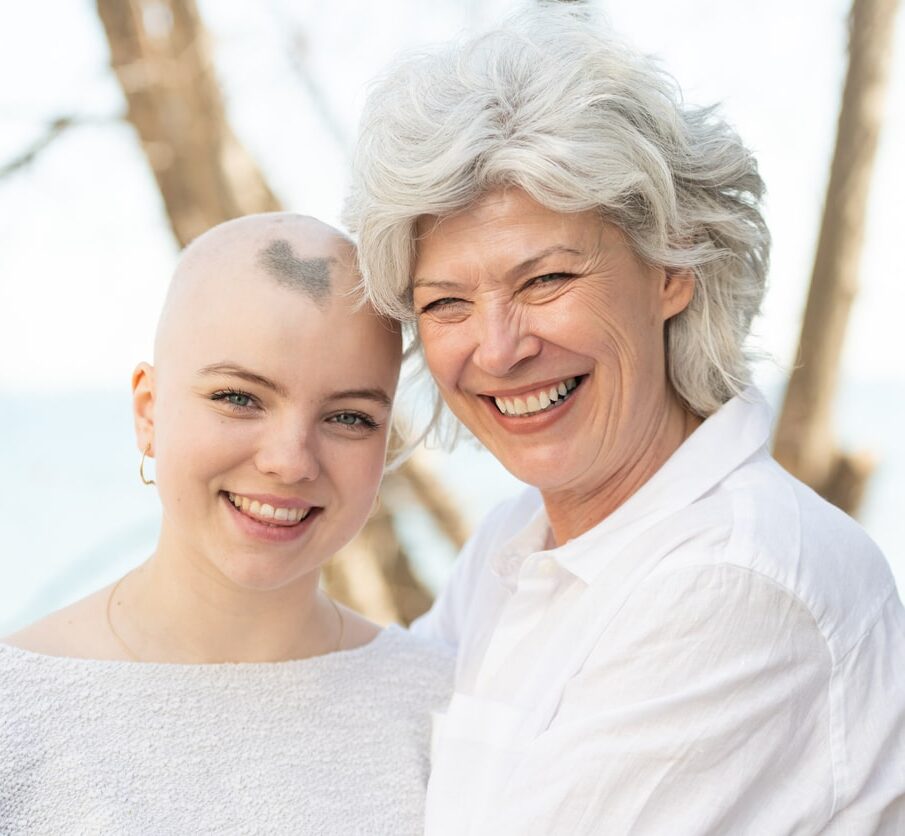
Skin Cancer Care That Helps You Act Early
A new or changing spot on your skin can feel alarming. The good news is that skin cancer, when caught at an early stage, is among the most treatable conditions in dermatology. Prompt evaluation matters, and at VitalSkin Dermatology and affiliate locations, diagnosis and treatment happen under one roof, so you never have to wonder what comes next.
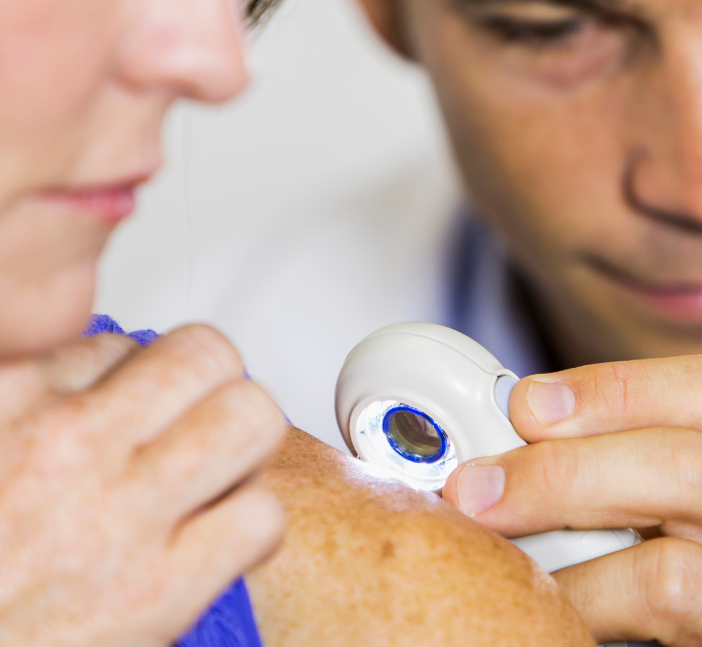
Skin cancer is the uncontrolled growth of abnormal skin cells, most often triggered by cumulative UV exposure from the sun or tanning beds. It is the most common cancer diagnosed in the United States, yet it is also one of the most treatable when caught early.
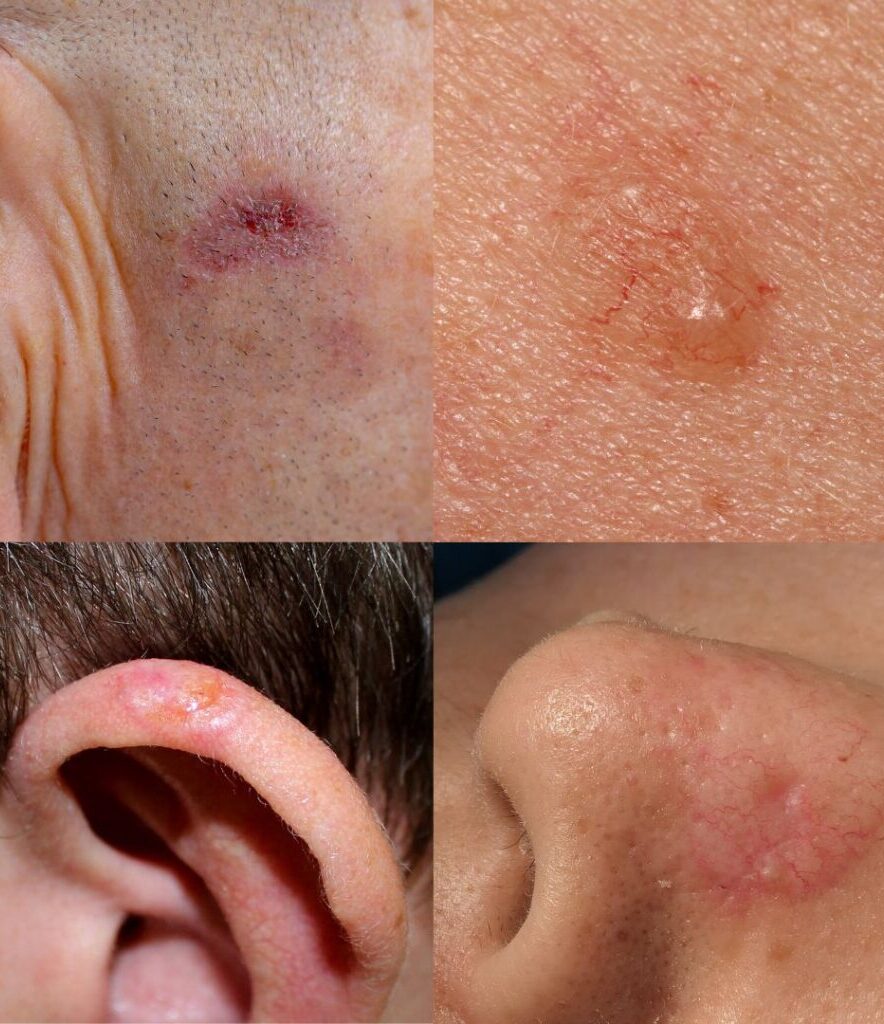
Early-stage skin cancer may appear as a new spot, a sore that won’t heal, or a mole that changes in size, shape, or color. On darker skin tones, these changes can be easier to miss, sometimes appearing as a dark streak under a nail or a spot that blends with surrounding skin. Any change worth noticing is worth having evaluated.
Our board-certified dermatologist and advanced practice providers can assess a suspicious area, confirm a skin cancer diagnosis, and outline a clear treatment path, whether that means a simple in-office procedure or a more targeted approach like Mohs surgery. The sooner you have a spot examined, the more options you have.

A skin cancer diagnosis starts with a straightforward clinical exam. Knowing what to expect at each step can make the process feel far less uncertain, and at VitalSkin Dermatology and affiliate locations, our dermatologists walk you through every stage.
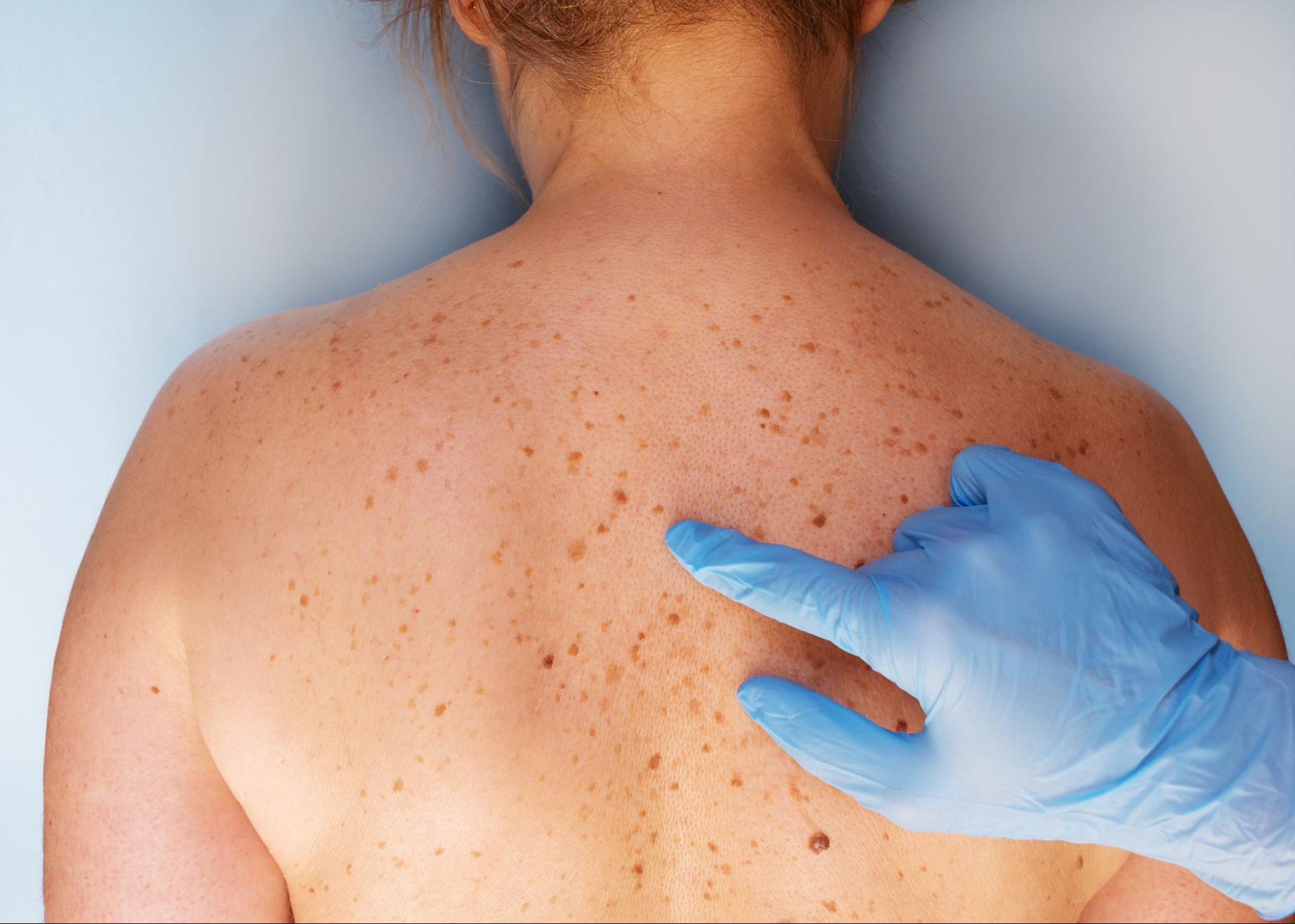
When your doctor discusses staging, they are describing how far the skin cancer has progressed. Stages range from 0 to IV, with lower numbers indicating disease that is more localized and easier to treat. Most skin cancers caught early fall into Stage 0 or Stage I, meaning the abnormal cells have not spread beyond the original site.
Early-stage skin cancer diagnosis carries a significantly better prognosis. For basal cell and squamous cell carcinomas detected at an early stage, five-year survival rates are very high with appropriate treatment. Melanoma detected at Stage I also responds well to treatment, which is why timely skin cancer screening matters so much.
The earlier a suspicious spot is evaluated, the more treatment options are available to you and the less extensive those treatments typically need to be. Prompt diagnosis can mean the difference between a minor procedure and a more complex course of care.
Not all skin cancer is the same. The type you have directly shapes the treatment your dermatologist will recommend. Understanding the differences helps you ask better questions and feel more confident moving forward.

Regular skin self-exams can help you notice new spots, changing moles, or lesions that look different from surrounding skin. While not every change is cancerous, becoming familiar with your skin can make it easier to identify concerning developments and seek evaluation sooner. Many skin cancers are more treatable when detected in their earlier stages.
Also, professional skin cancer screenings provide an additional layer of evaluation that self-exams cannot replace. Rather than waiting for a spot to raise concern, scheduling an annual skin exam gives a dermatologist the chance to catch changes early, before they become noticeable to you.
Dermatologists are trained to identify subtle warning signs that may be difficult to recognize on your own and can monitor suspicious lesions over time. Depending on your personal risk factors, medical history, and family history, more frequent screenings may be recommended.
A monthly self-exam is one of the most effective tools for catching skin cancer early, when treatment outcomes are typically most favorable. Use a full-length mirror in good lighting, and ask a partner to help check areas you cannot easily see, such as your scalp, back, and behind the ears.
Work through your body systematically: start at your scalp and face, move to your neck, chest, and arms, then check your torso, legs, and the soles of your feet. Look for any new spots, changes in size or color, asymmetry, or slow to heal. On darker skin tones, pay close attention to the palms, soles, nail beds, and mucous membranes, where skin cancer is more likely to appear.
When you see a dermatologist, arrive prepared with specific questions. Ask what type of skin cancer you may have, what stage it appears to be, and which treatment options are most appropriate for your situation.
Ask what follow-up schedule is recommended after treatment and what warning signs should prompt an earlier visit. Bringing a written list of questions helps you make the most of your appointment and move forward with a clear plan.
Not every skin cancer is treated the same way. Your care plan depends on the type, size, location, and stage of the cancer. At VitalSkin Dermatology, our board-certified dermatologists evaluate all of these factors to recommend the most effective approach for your specific situation.
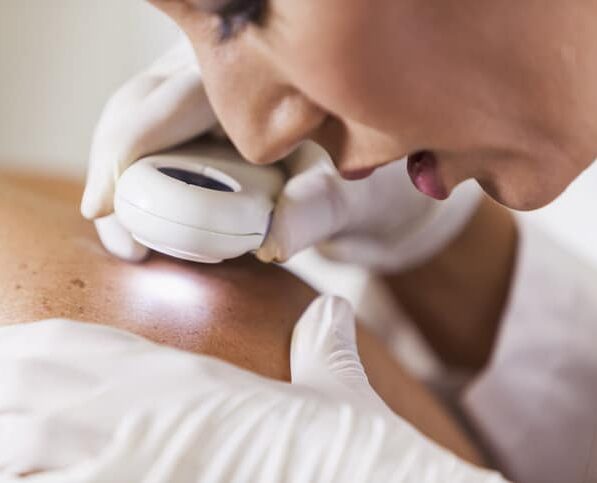
Skin cancer care starts with accurate evaluation, early detection, and clear next steps. VitalSkin Dermatology and our family of brands connect patients with board-certified dermatology providers experienced in diagnosing, treating, and monitoring skin cancers and precancerous conditions. Our skin cancer care approach includes:
With locations across Illinois, Kentucky, Indiana, Iowa, and Missouri, patients can receive care closer to home while staying connected to a broader dermatology network. This coordinated approach helps support continuity of care from the first evaluation through treatment and follow-up.
What does skin cancer look like?
Skin cancer symptoms vary, but common early signs include a new spot, a sore that won’t heal, or a lesion that bleeds, itches, or changes in size, shape, or color.
Can skin cancer look different on darker skin tones?
Yes. On darker skin, skin cancer may appear as a brown, black, or skin-colored spot rather than a pink or red lesion. It can also develop in areas with less sun exposure, such as the palms, soles, or under the nails.
When should I get a spot evaluated?
Don’t wait if a spot is new, growing, bleeding, or not healing after a few weeks. Early-stage skin cancer is highly treatable, and prompt evaluation is the most important step you can take.
What are the earliest signs of skin cancer?
Early skin cancer symptoms often appear as a new spot, a sore that won’t heal, or a mole that begins to change in color, shape, or size.
Can skin cancer look different on darker skin tones?
Yes. On darker skin, early-stage skin cancer may appear as a dark brown or black spot, a lesion under a nail, or a sore on the palms or soles rather than a classic pink patch.
What does skin cancer look like versus a normal mole?
Use the ABCDE guide: watch for Asymmetry, uneven Borders, multiple Colors, a Diameter larger than a pencil eraser, and any Evolution or change over time.
What is the early stage of skin cancer?
Early stage skin cancer means the abnormal cells are confined to the outer layer of skin and have not spread to deeper tissue or nearby lymph nodes. Caught at this point, treatment is typically straightforward, and outcomes are generally very favorable.
Is skin cancer deadly?
Most skin cancers caught early are highly treatable. Prompt diagnosis makes a meaningful difference.
What is the survival rate for skin cancer?
Survival rates for skin cancer vary significantly by type and stage. Early-stage skin cancer, when caught before it spreads, carries a much more favorable prognosis than advanced disease.