Diagnose concerns. Manage symptoms. Support long-term skin health.
Medical dermatology focuses on diagnosing, treating, and managing conditions that affect the skin, hair, and nails. Whether you are dealing with acne, eczema, psoriasis, rosacea, a changing mole, a persistent rash, or another concern, the right care starts with understanding what is causing your symptoms.
VitalSkin Dermatology and supported clinics provide medical dermatology care for patients with both common and complex skin concerns. Our providers evaluate your symptoms, medical history, skin type, and treatment goals to recommend a care plan that supports long-term skin health.

Medical dermatology care may include diagnostic exams, prescription therapies, in-office procedures, and long-term treatment plans for chronic or recurring skin conditions. The right approach depends on the condition being treated, how long symptoms have been present, severity, medical history, and whether additional testing or follow-up care is needed.
Medical dermatology helps identify what is happening beneath the surface so patients can receive the right next step, whether that involves monitoring, prescription treatment, in-office care, biopsy, or long-term condition management.
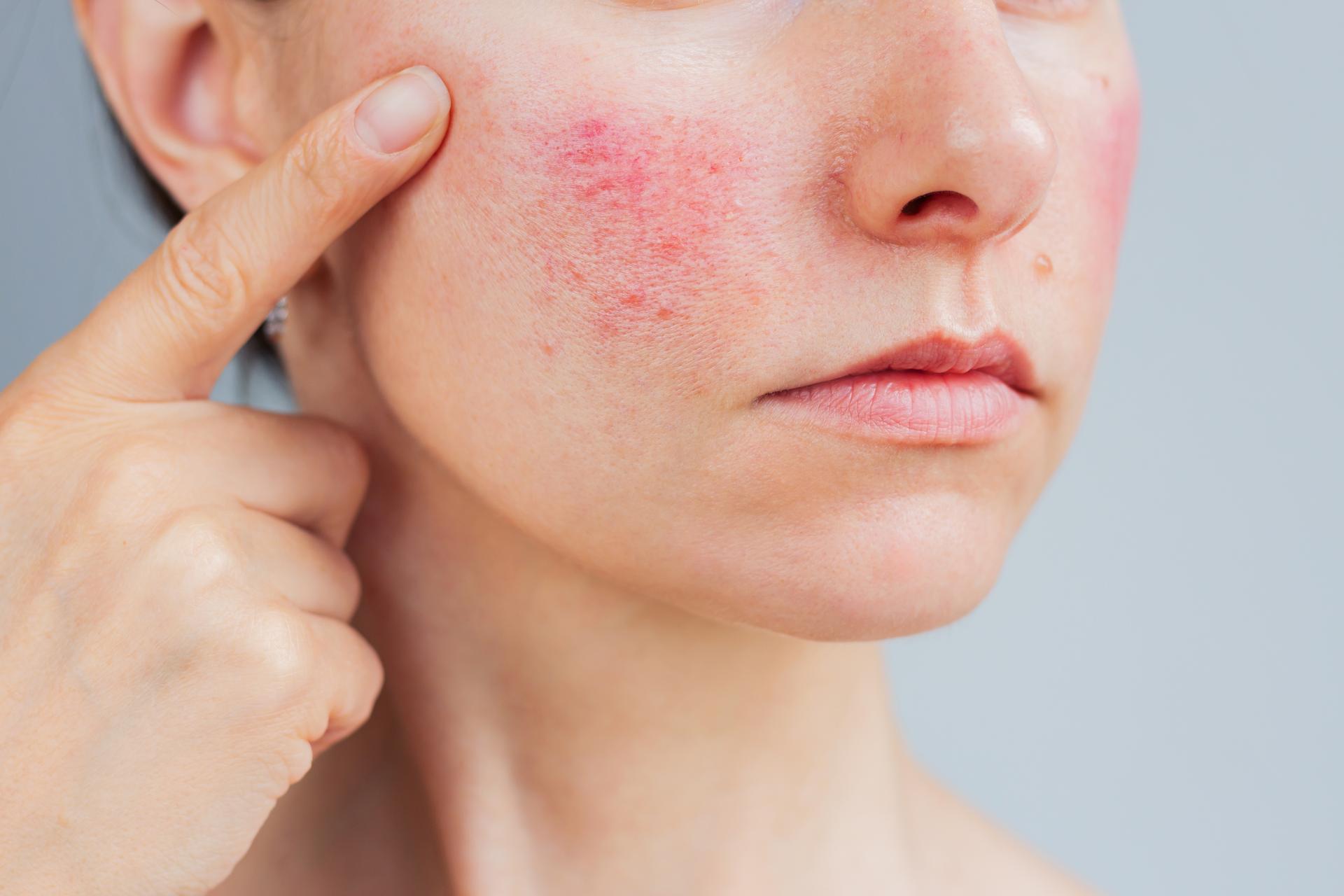
Medical dermatology care often starts with understanding the cause of a symptom, change, or ongoing skin concern. VitalSkin Dermatology and supported clinic locations provide access to providers who evaluate acne, eczema, psoriasis, rashes, rosacea, suspicious moles, skin cancer concerns, hair loss, nail changes, and other medical skin conditions.
Available services may vary by office and provider. Depending on the location, care may include skin exams, biopsies, cryotherapy, patch testing, phototherapy, prescription treatment plans, chronic condition management, and follow-up visits to monitor progress or adjust care over time.
What is medical dermatology?
Medical dermatology focuses on diagnosing and treating conditions that affect the skin, hair, and nails. This may include acne, eczema, psoriasis, rashes, rosacea, skin cancer, moles, warts, infections, hair loss, and other concerns.
When should I see a medical dermatologist?
You should consider seeing a dermatologist when a skin concern is changing, painful, itchy, spreading, bleeding, not healing, or not improving with over-the-counter care. A dermatologist can evaluate the cause and recommend an appropriate treatment plan.
What conditions do medical dermatologists treat?
Medical dermatologists treat common and complex concerns such as acne, eczema, psoriasis, rosacea, rashes, skin cancer, suspicious moles, warts, cysts, hair loss, pigmentation changes, and inflammatory skin conditions.
Do medical dermatology visits include a skin exam?
Many visits include an exam of the affected area, and some concerns may require a full-body skin exam. Your provider may also recommend dermoscopy, biopsy, lab testing, patch testing, or follow-up monitoring depending on your symptoms.
Are prescription treatments always needed?
Not always. Some conditions may improve with routine changes, over-the-counter products, or monitoring, while others need prescription topical medications, oral medications, biologic therapy, light therapy, or in-office procedures.
Can medical dermatology help with chronic skin conditions?
Yes. Chronic conditions such as eczema, psoriasis, rosacea, and recurring rashes often need ongoing management. A dermatologist can adjust treatment over time based on triggers, flare-ups, response to medication, and long-term skin health.