
Discover Laser Treatment Options for Managing Cystic Acne
February 18, 2026 by VitalSkin Dermatology
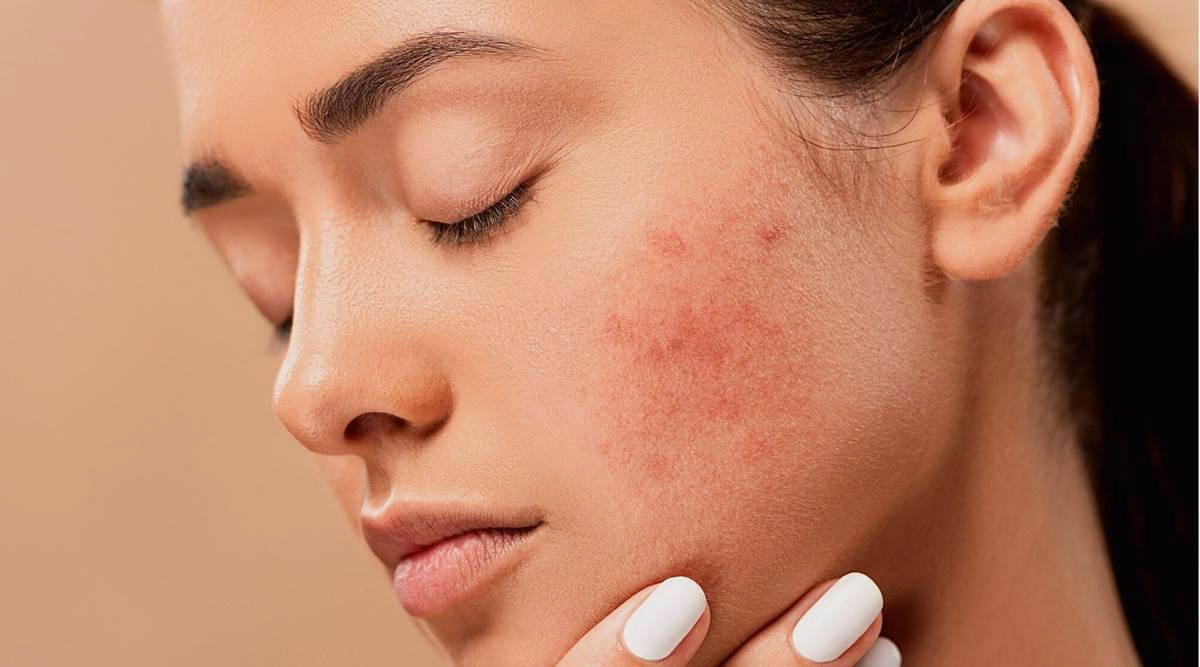
Cystic acne is one of the most severe and persistent forms of acne. For many patients, topical products and oral medications alone are not enough to keep symptoms under control. Laser treatment for cystic acne offers a supportive option when traditional therapies fall short. While laser treatments are not a cure for acne, they can help when used as part of a cystic acne treatment plan guided by a dermatology provider.
What is Cystic Acne?
Cystic acne is characterized by large, inflamed lesions that develop deep within the skin. These cysts often feel tender or painful and may not come to a visible head. Because the inflammation occurs far below the surface, cystic acne does not respond as well to over-the-counter products or superficial treatments. Several factors contribute to cystic acne, including:
- Hormonal fluctuations
- Excess oil production
- Bacteria trapped within the follicle
- An aggressive inflammatory response
Do Lasers Help with Cystic Acne?
Short answer: Yes, for some patients. Unlike mild or moderate acne, cystic acne typically requires medical management. Oral medications, prescription topicals, and hormonal therapies are often first-line options. In cases where patients experience painful breakouts and frequent flares, laser therapy may be considered as an adjunct to help improve acne control.
How Laser Treatments Help Manage Cystic Acne
Laser treatment for acne works by delivering controlled light energy into the skin. Different laser systems target specific components of acne, including inflammation, bacteria, and excess oil activity. For cystic acne, lasers are selected carefully to address deeper lesions while protecting surrounding skin.
Rather than replacing traditional therapies, laser treatment for acne is typically used alongside them. The goal is to reduce the severity and frequency of breakouts, shorten healing time, and support healthier skin over the long term.
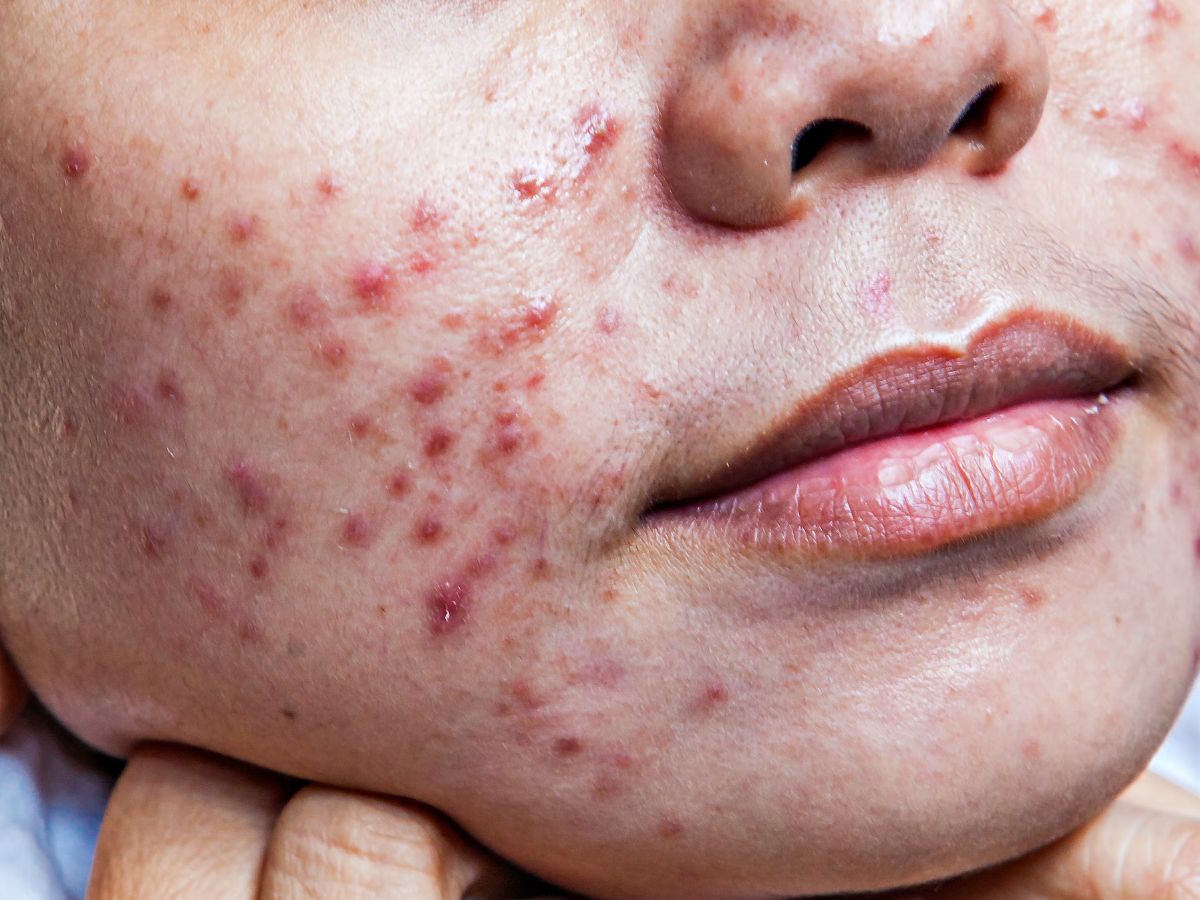
Targeting Deep Inflammation and Active Lesions
Cystic acne is driven by inflammation deep within the hair follicle. Certain laser technologies penetrate beneath the skin’s surface, delivering energy that helps calm inflammatory activity and disrupt the environment that allows cysts to persist. By targeting inflamed tissue and acne-causing bacteria at deeper levels, laser treatments can help:
- Reduce redness and swelling associated with active cysts
- Promote faster resolution of painful lesions
- Decrease the intensity of inflammatory flare-ups
Reducing Future Breakouts and Acne Severity
In addition to treating active acne, laser treatments may help reduce future breakouts by influencing oil gland activity and improving overall skin balance. Some laser systems help decrease excess sebum production, which plays a key role in cyst formation. Over a series of treatments, patients may notice:
- Fewer severe cystic breakouts
- Less frequent flare-ups
- Improved skin texture and tone as inflammation decreases
Acne Laser Treatment vs Traditional Acne Therapies
Traditional acne therapies remain the foundation of cystic acne management. Each option addresses different drivers of acne, but none are universally effective for every patient. Acne laser treatment differs from traditional therapies in several ways:
| Treatment Option | How It Helps Cystic Acne | Common Side Effects | Typical Limitations | Level of Care |
|---|---|---|---|---|
| Topical Retinoids | Help prevent clogged pores and reduce breakouts | Dryness, peeling, redness | Limited effect on deep cysts | First-line |
| Oral / Topical Antibiotics | Reduce inflammation during active flares | Stomach upset (oral), skin irritation | Short-term use only | Short-term support |
| Hormonal Therapy | Lower oil production linked to hormones | Menstrual changes, fatigue | Not suitable for all patients | Long-term management |
| Oral Isotretinoin (Accutane) | Significantly reduces severe cystic acne | Dryness, joint pain, strict pregnancy rules | Requires close monitoring | Advanced care |
| Laser Acne Treatment | Calms inflammation and supports long-term control | Temporary redness, sensitivity | Multiple sessions needed | Supportive / adjunct |
Please note: Cystic acne treatment plans are highly individualized. A dermatology provider may recommend one or a combination of these options based on acne severity, medical history, and response to prior treatments.
Am I A Candidate for Cystic Acne Laser Treatment?
Laser treatment for cystic acne is not recommended for everyone. The decision to use laser therapy depends on several factors, including the severity of acne, skin tone, medical history, and current treatment regimen. You may be a candidate for acne laser treatments if:
- You have persistent cystic acne despite topical or oral therapy
- You experience painful, inflamed lesions that heal slowly
- You are concerned about acne scarring or recurring flare-ups
- You want a non-systemic option to support acne control
Frequently Asked Questions about Cystic Acne
Do laser treatments help with cystic acne scars?
Laser treatments like AviClear (1726 nm) and Aerolase NeoClear can help improve the appearance of cystic acne scars by smoothing texture and stimulating collagen. It is most effective for depressed scars, such as rolling or boxcar scars, and is typically recommended after active acne is under control. Results vary, and multiple sessions may be needed to see improvement.
Are laser treatments effective for hormone-related cystic acne?
Hormone-related cystic acne often appears along the jawline, chin, and lower face and can be difficult to manage with topical products alone. While laser treatments do not address the underlying hormonal cause, they may help reduce inflammation and lesion severity, making hormone-driven breakouts easier to control when combined with hormonal or prescription therapies.
