Expert Laser Therapies: Renew Your Skin

Laser dermatology treatments use advanced light-based technology to improve skin tone, reduce visible signs of aging, and treat a wide range of medical and cosmetic skin concerns. At VitalSkin Dermatology affiliate locations, our board-certified dermatologists offer several types of laser therapies designed to target concerns such as pigmentation, acne scars, redness, sun damage, and uneven skin texture.

Because different laser technologies address different skin concerns, your dermatologist will evaluate your skin during a consultation to recommend the most appropriate treatment for your goals.

Laser & Light Therapy Treatments We Offer

VitalSkin Dermatology affiliates offer laser and light-based treatments designed to address a wide range of cosmetic and medical skin concerns. Because each technology works differently, your provider will recommend an option based on your skin type, diagnosis, treatment goals, and the level of correction needed.
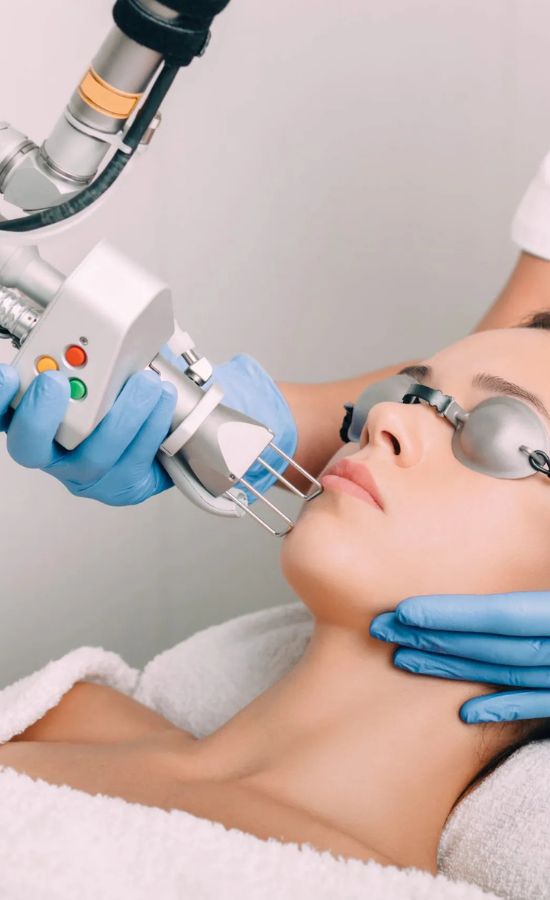
Laser Resurfacing Treatment

Laser resurfacing treatments target damaged outer layers of skin while supporting collagen renewal beneath the surface. They may be used to improve wrinkles, acne scars, sun damage, uneven texture, and overall skin tone.

Intense Pulsed Light (IPL) & Photofacials

IPL and photofacial treatments use broad-spectrum light to target discoloration, redness, brown spots, and signs of sun damage. These treatments are often used to refresh uneven tone and improve the appearance of photoaged skin.

Pulsed Dye Laser Treatments

Pulsed dye laser treatments target visible blood vessels and redness beneath the skin. They may be recommended for rosacea, broken capillaries, port-wine stains, vascular lesions, and certain redness-related concerns.

Laser Hair Removal Treatment

Laser hair removal uses concentrated light energy to target hair follicles and reduce unwanted hair growth over time. It may be used on areas such as the face, legs, underarms, bikini line, back, chest, and other treatment areas.

Laser & Light Therapy Treatments We Offer

  • CO₂ Laser Resurfacing
    CO2 laser resurfacing is a more intensive resurfacing treatment used to address deeper wrinkles, acne scars, sun damage, and rough texture. It removes damaged outer layers of skin while stimulating new collagen production during the healing process.
  • DOT Laser Skin Resurfacing
    DOT (Dermal Optical Thermolysis) laser resurfacing uses fractional laser technology to create controlled microchannels in the skin. This approach supports collagen remodeling while allowing the surrounding untreated skin to assist with the healing process.
  • Fraxel® Laser Treatment
    Fraxel laser treatments use fractional laser energy to improve pigmentation, sun damage, acne scars, and early signs of aging by stimulating skin renewal beneath the surface.
  • Cutera Laser Genesis
    Laser Genesis gently heats the deeper layers of the skin to support collagen production and improve texture, redness, enlarged pores, and mild wrinkles. It is commonly used for patients seeking gradual rejuvenation with little downtime.
  • Infini Treatments
    Infini is an energy-based treatment that combines microneedling with radiofrequency energy to support collagen remodeling. It may be used for skin laxity, acne scars, texture concerns, and firmer-looking skin.
  • Clear + Brilliant® Laser
    Clear + Brilliant is a gentle fractional laser treatment designed to improve skin tone, reduce the appearance of pores, and maintain youthful skin with minimal downtime.

Skin Resurfacing & Rejuvenation Options

Alexandrite Laser Treatment

Alexandrite laser technology may be used to target excess pigmentation, brown spots, sun damage, and certain benign pigmented lesions. It can help improve uneven tone when recommended for the right skin type and concern.

PHAROS Excimer Laser Treatments

The PHAROS excimer laser delivers targeted ultraviolet light to areas affected by inflammatory skin conditions. It may be used for concerns such as psoriasis, vitiligo, and eczema while limiting exposure to surrounding healthy skin.

Narrowband UVB Treatments

Narrowband UVB therapy uses a specific wavelength of ultraviolet light to help manage certain chronic inflammatory skin conditions. It may be recommended for psoriasis, eczema, vitiligo, and other dermatologist-diagnosed concerns.

PUVA Treatment

PUVA (psoralen and UVA) combines a light-sensitizing medication with UVA light therapy to treat select skin conditions. It may be considered when other light-based therapies or topical treatments are not the right fit.

Blue Light Therapy

Blue light therapy uses specific wavelengths of light to target acne-related bacteria and support clearer skin. It may be recommended as part of a broader acne treatment plan depending on the severity and type of breakout.

Photodynamic Therapy

Photodynamic therapy uses a light-activated medication to target abnormal skin cells. It may be recommended for actinic keratoses, sun-damaged skin, and select superficial skin concerns.

Photo Rejuvenation Treatment

Photo rejuvenation treatments use light-based technology to improve the appearance of sun damage, uneven tone, redness, and visible signs of aging. These treatments are often used to refresh skin without more aggressive resurfacing.

Isolaz Treatments

Isolaz treatments combine light-based energy with gentle suction to help address acne, congestion, and clogged pores. This option may be used for patients looking to improve active breakouts and overall skin clarity.

Laser Tattoo Removal Treatment

Laser tattoo removal breaks down tattoo ink particles beneath the skin so they can gradually be cleared by the body. Multiple sessions are usually needed, depending on the tattoo color, depth, size, and age.

Light Therapy Treatments

Light therapy treatments use specific wavelengths of light to treat medical and cosmetic skin concerns. Depending on the condition, light therapy may support acne care, inflammation control, pigmentation improvement, or precancerous lesion treatment.

Skin Concerns Laser & Light Therapy May Help Address

Laser and light-based treatments may be recommended for cosmetic concerns, medical skin conditions, and certain precancerous changes. The right option depends on your skin type, diagnosis, treatment goals, and the technology available at your location.
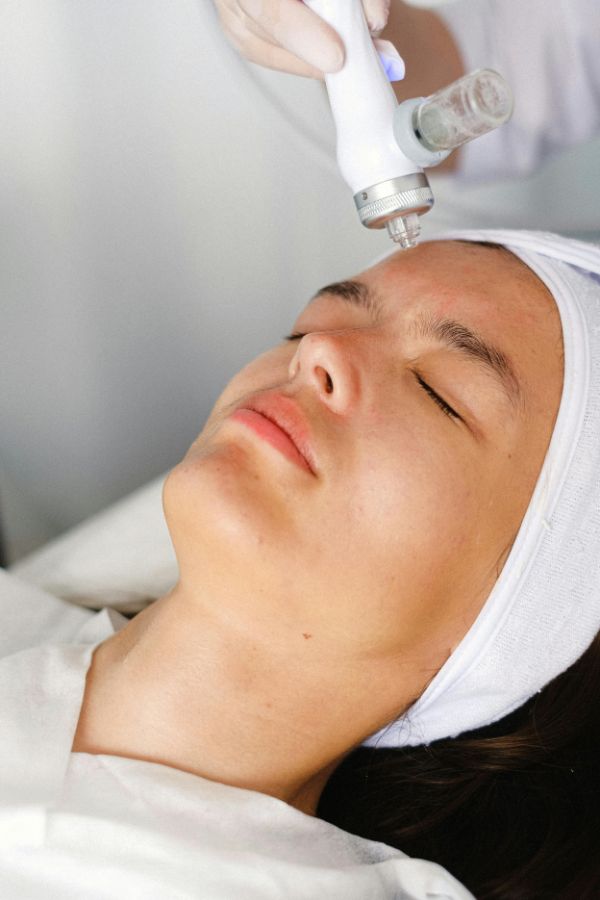
Hyperpigmentation, Sun Damage & Uneven Tone

Hyperpigmentation can appear as brown spots, sunspots, melasma, post-inflammatory dark marks, or uneven patches of pigment. Laser and light-based treatments may help improve some forms of discoloration, but a dermatologist should evaluate the cause, skin type, and risk of irritation or post-inflammatory pigment changes before recommending treatment.

Redness and Visible Blood Vessels

Persistent redness, broken capillaries, visible blood vessels, and certain vascular lesions may benefit from targeted laser or light-based care. A dermatology evaluation helps determine the cause of the redness and whether laser therapy, light-based treatment, topical care, or another option is most appropriate.

Acne Scars, Texture & Enlarged Pores

Laser and energy-based treatments may help improve uneven texture, acne scarring, enlarged pores, and rough skin quality by supporting skin renewal and collagen remodeling. Your provider will recommend an approach based on scar type, skin tone, downtime preferences, and treatment goals.

Fine Lines, Wrinkles & Skin Rejuvenation

Certain laser and light-based treatments may help refresh the skin by improving dullness, uneven texture, wrinkles, fine lines, and early signs of aging. Treatment intensity can range from gentle maintenance to deeper resurfacing, depending on your goals and how much correction is needed.

Medical Conditions That May Benefit From Light Therapy

Psoriasis

Psoriasis can cause thick, scaly, inflamed patches that may not respond fully to topical care alone. Targeted or controlled light therapy may be considered as part of a dermatologist-guided treatment plan.

Vitiligo

Vitiligo causes areas of pigment loss that may appear as lighter patches on the skin. Certain light-based therapies may be used to help stimulate repigmentation in select patients, depending on the location, extent, and activity of the condition.

Eczema

Eczema can cause dry, itchy, inflamed skin that may flare over time. In some cases, light therapy may be recommended when symptoms are persistent, widespread, or not adequately controlled with other treatments.

Actinic Keratosis & Precancerous Skin Changes

Actinic keratoses are rough, sun-damaged spots that may be considered precancerous. A dermatologist can determine whether light-based therapy, topical medication, cryotherapy, or another treatment is most appropriate based on the number, location, and appearance of the lesions.

Rosacea

Rosacea can cause facial redness, flushing, visible blood vessels, and inflamed bumps that may come and go over time. Certain laser or light-based treatments may help reduce visible redness and vascular changes as part of a dermatologist-guided rosacea care plan.

What to Expect During Laser Treatment

Most laser treatments begin with a consultation where your dermatologist assesses your skin and discusses your treatment goals.

During the procedure, a specialized device delivers controlled laser energy to the treatment area. Depending on the type of laser used, a cooling device or topical anesthetic may be applied to improve comfort.

Treatment sessions typically range from several minutes to about an hour, depending on the size of the treatment area and the type of laser used.

Recovery and Results

Recovery time after laser treatment varies depending on the type of laser used. Some treatments require little to no downtime, while others may involve several days of redness or mild swelling as the skin heals.

Many patients notice gradual improvements in skin tone and texture as the skin produces new collagen and replaces damaged skin cells. Some conditions may require multiple treatment sessions to achieve optimal results.

Your dermatologist will provide personalized aftercare instructions to help support proper healing and maximize treatment outcomes.

Benefits of Laser Dermatology Treatments

Laser therapies offer several benefits for patients seeking medical or cosmetic improvements to their skin. Because laser energy can be precisely targeted, dermatologists are able to treat specific skin concerns while minimizing impact on surrounding tissue. Many laser treatments stimulate the skin’s natural collagen production, which helps improve overall skin texture and elasticity over time.

These treatments can also enhance skin tone and smooth uneven texture while reducing the appearance of pigmentation, redness, and other visible skin irregularities. For many patients, laser therapies provide long-lasting results with minimal disruption to surrounding skin.

Because laser treatments can be customized for each patient, dermatologists are able to tailor treatment plans based on individual skin concerns, goals, and medical history to achieve the most effective outcomes.
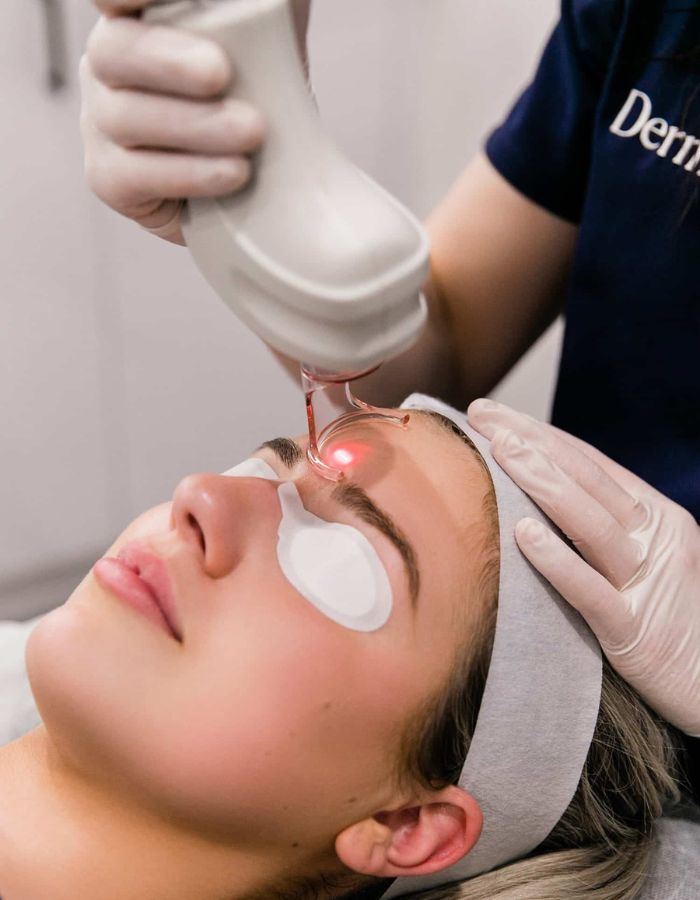
We Provide Laser Treatments in IL, MO, IN, IA & KY

VitalSkin Dermatology provides advanced laser dermatology treatments delivered by experienced dermatologists across its network of practices. Through VitalSkin Dermatology and its partner brands, patients have access to a wide range of cosmetic and medical dermatology services:

Laser & Light Therapy FAQs

Is laser light therapy good for your skin?

Laser and light therapy can be helpful for certain skin concerns, including sun damage, redness, pigmentation, acne scars, wrinkles, unwanted hair, and some medical skin conditions. The right treatment depends on your skin type, diagnosis, goals, and whether your dermatologist recommends a laser, IPL, or another light-based option.

Who should not do laser therapy?

Laser therapy may not be appropriate for everyone, including patients with certain active skin infections, recent sun exposure, specific medication use, or a higher risk of pigment changes or scarring. A dermatologist should evaluate your skin type, medical history, and treatment area before recommending a laser or light-based procedure.

Are there negative effects of laser therapy?

Possible side effects of laser therapy may include redness, swelling, tenderness, temporary darkening or lightening of the skin, crusting, burns, or scarring. Risks vary by treatment type, skin tone, device settings, and provider experience, which is why evaluation and proper aftercare are important. The AAD notes that laser procedures can cause burns, color changes, or scars when not performed properly, and Mayo Clinic lists inflammation, swelling, itching, burning, acne, infection, and pigment changes as possible laser resurfacing risks.

What laser is best for broken capillaries?

Broken capillaries and visible blood vessels are often treated with vascular laser or light-based treatments, such as pulsed dye laser or IPL, depending on the concern. A dermatologist can determine which option is best based on the size, depth, location, and cause of the visible vessels.

Can I do laser if I use tretinoin?

You may need to pause tretinoin or other irritating skincare products before and after certain laser treatments, but this depends on the type of laser and your skin sensitivity. Your dermatologist will provide specific pre-treatment instructions to reduce irritation and support safer healing.

Women-client-at-the-time-of-laser-skin-resurfacing

Schedule a Laser Treatment Consultation

If you are interested in improving your skin tone, reducing signs of aging, or addressing a specific skin concern, a consultation with a VitalSkin Dermatology provider can help determine whether laser treatment is right for you. Contact us today to schedule your laser treatment consultation and learn more about the advanced laser therapies available at our locations.

Related Conditions


Benign Skin Lesions

As we age, we often get different benign growths that may come about and that are completely harmless. Learn More About This Condition

Birthmarks

Birthmarks are congenital skin conditions that typically appear at birth or shortly thereafter. Learn More About This Condition

Dilated Oil Glands

Sebaceous gland hyperplasia refers to benign enlarged and dilated oil glands. These appear as yellowish to pink bumps scattered on the face. They are more common in people with a history of oily skin. Learn More About This Condition

Spider Veins

Spider veins are a condition of the skin in which small “spidery” veins appear under the surface of the skin. Learn More About This Condition

Vascular Skin Conditions: Causes, Symptoms & Care

In a vascular condition, the blood vessels of the body are either damaged or act in such a way to affect the appearance and condition of the skin. Learn More About This Condition

Other Treatments

Online Scheduling

Schedule your appointment, today!

Make an Appointment
Make an Appointment